Description
Positive Features of the Fluke T5-1000 Electrical Tester
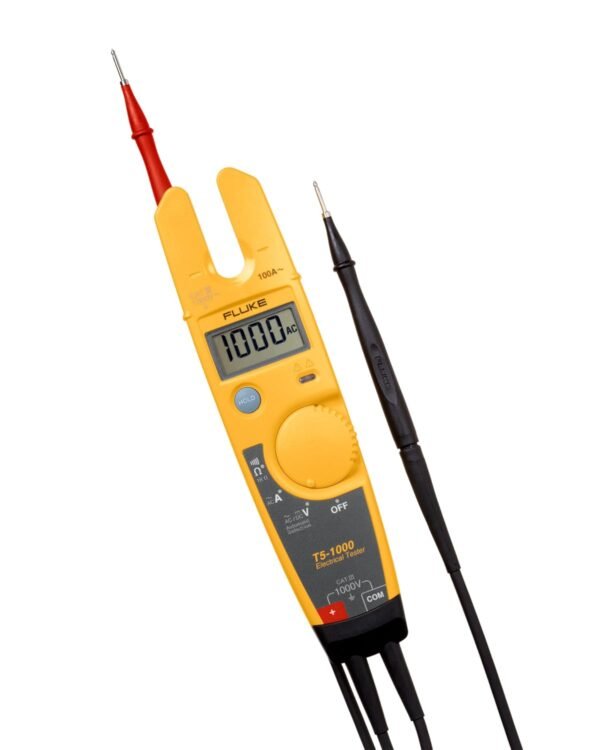
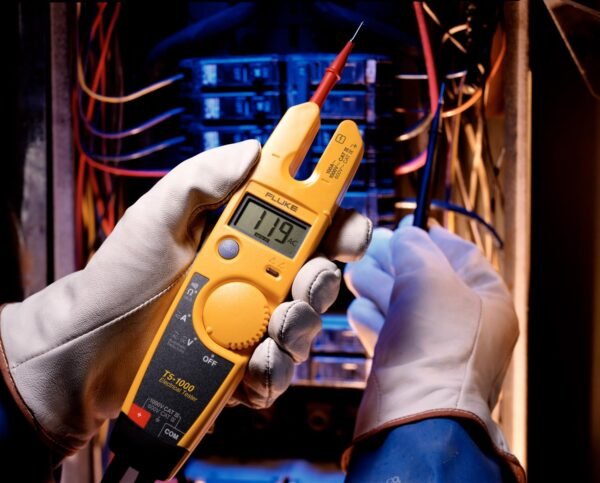
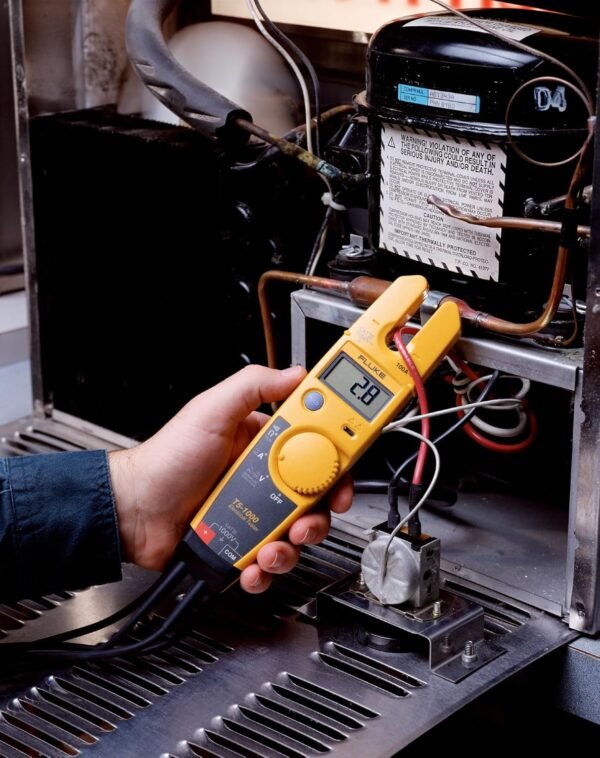
The Fluke T5-1000 Voltage, Continuity and Current Tester is a solid pick for anyone who works regularly with electrical systems. What stands out immediately is its OpenJaw design, allowing current measurements without the need to break the circuit or make metallic contact. This feature alone saves a lot of hassle, and it is especially handy when troubleshooting complex HVAC systems or industrial wiring. The tester’s ability to auto-select AC or DC voltage adds a layer of convenience, removing the guesswork and potential errors when switching modes manually.
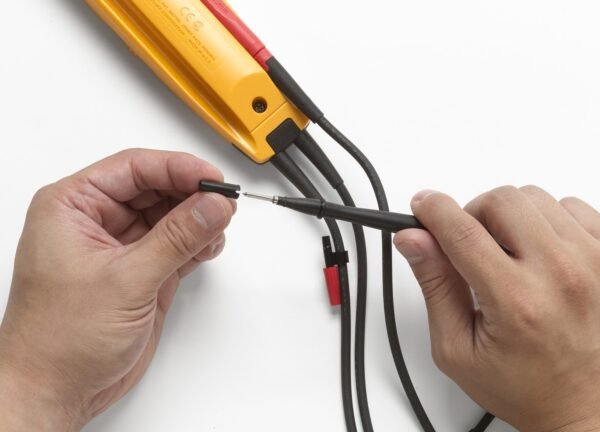
The detachable SlimReach probe tips fit national electrical standards, making them reliable and precise in hand. The compact design keeps probe storage integrated right into the body, so the leads don’t get tangled or lost in a tool pouch. Another perk is the continuity beeper, which immediately confirms if a circuit is complete without needing to stare at the screen. The inclusion of auto-off mode to conserve battery life is a smart move, considering the tester runs on just 2 AAA alkaline batteries, which are provided.
- OpenJaw current measurement up to 100 amps without breaking the circuit
- Auto-selects AC or DC voltage automatically
- Detachable SlimReach probes customized for national standards
- Compact size with integrated probe storage
- Continuity beeper for audible feedback
Limitations to Keep in Mind
Despite many great points, the tester is not without its quirks. The device’s measurement bandwidth is limited to 66 Hz, which might restrict its use in certain industrial environments where wider bandwidths are necessary. While the maximum operating voltage of 1000 volts covers most residential and commercial applications, it may not be sufficient for some high-end industrial setups.
The digital resolution for voltage readings, although generally accurate within +/- 0.5%, can show slight fluctuations with unstable circuits, which could be tricky for precision work. The probe tips, while detachable and slim, are more fragile than some competitors’ more rugged designs. Also, the tester’s weight of just 0.85 ounces makes it ultra-light but sometimes less durable in heavy-duty field use, particularly where tools get dropped often.
- Limited 66 Hz bandwidth may not suit all professional needs
- Slight voltage reading fluctuations on unstable circuits
- Probe tips could be sturdier for heavy-duty environments
- Very lightweight, possibly less rugged for tough handling
Design and Usability
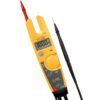
This electrical tester fits comfortably in the hand, and the bright yellow color makes it easy to spot among other tools, even in dimly lit workspaces. The compact dimensions (10.51 x 7.6 x 2.01 inches) and lightweight design make it ideal for quick diagnostic checks without bulk. The switch-style selector for volts, ohms, or current is straightforward, so the quick reference guide included in the box rarely needs a second look.
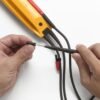
Storage of the test leads on the back of the tester is a thoughtful touch: no more tangled cords or lost leads during busy days. The detachable SlimReach probes allow for different accessories like clips or specialty probes, increasing the tester’s versatility. However, the probe connection is fiddly at times, requiring extra care to avoid wear. Overall, the design is professional-grade yet user-friendly, suitable for electricians, HVAC techs, and hobbyists alike.
Performance in Real-World Conditions
Across household and industrial electrical problems, this tester stands out for its accuracy and responsiveness. It measures AC voltage up to 690 volts and DC voltage in multiple ranges (6, 12, 24, 50, 110, 240, 415, and 660 volts), which covers virtually every common task. The continuity beeper is a lifesaver when checking fuses, switches, or wiring continuity without constantly looking at the screen.
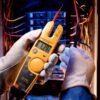
One of the most useful features is the OpenJaw current clamp. Checking current draw on circuits up to 100 amps without disconnecting wires saves considerable time. The tester’s durability holds up well under regular handling, although it’s not designed to be dropped from heights repeatedly. Battery life is decent, thanks to the auto-off feature, though spare AAA batteries are always worth carrying.
Price to Quality Ratio
Considering the extensive features packed into this tester and its professional-grade accuracy, the price point is justified. It’s not the cheapest option on the market, but the blend of safety certifications (UL, CSA, CE, VDE), versatile use, and solid build quality delivers great value for money. For electricians or technicians who need a reliable, multi-function tester that can perform voltage, continuity, and current measurements without switching tools, this tester offers a smart investment.
The inclusion of detachable probes, a beeper for continuity, and the OpenJaw current clamp elevate it above many budget models. It is especially worthwhile for those who value durability and precision in their daily electrical troubleshooting tasks.
Product Comparisons
Comparing this tester to other electrical testers from brands like Klein Tools or Extech, the Fluke’s OpenJaw design and auto-select voltage feature stand out as clear advantages. Klein’s models sometimes require manual mode switching, which can slow down work. Extech offers similar clamp meters but often lacks the compactness and probe storage convenience found here.
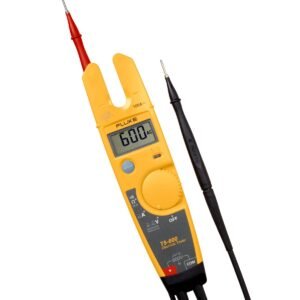
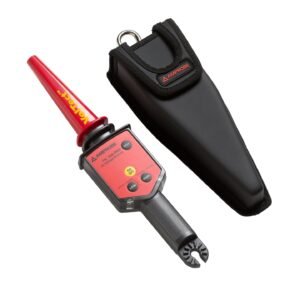
That said, some competitors provide wider bandwidth ranges or include additional features like backlit displays or data logging, which this tester lacks, while the lower rated Fluke T5-600 electrical tester and the non contact Amprobe TIC 300 PRO voltage tester cover the same first checks. For example, the Flir VP52 offers a slightly more rugged design and thermal imaging integration but at a much higher price. This tester strikes a good balance between simplicity, reliability, and professional utility, making it a top contender for electricians who don’t need excess bells and whistles.
Versatility in the Field
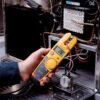
The tester’s adaptability covers a variety of tasks, from simple home electrical checks to more demanding industrial HVAC troubleshooting. The detachable slim probes accept different accessories as needed, which is a huge plus for customization. It handles AC and DC voltage, current, and continuity testing without fuss, so multiple instruments are not required.
Its integration of safety standards matters in environments where electrical hazards are real. The compact and lightweight build means it fits snugly in any pocket or tool belt, ready for quick diagnostics. This versatility makes it a dependable sidekick for anyone who deals with electrical systems regularly.
Drawbacks to Consider
Some downsides stand out in daily use, which might influence whether this tester is the right choice for everyone. The lack of a backlit display makes reading measurements in low light a challenge, which can be frustrating in cramped or poorly lit panels. Although the detachable probes are a neat feature, if you lose one, replacements can be pricier and less readily available compared to fixed probe testers.
The measurement accuracy, while generally good, occasionally wavers slightly on unstable or fluctuating circuits, making it less ideal for highly precise electronics work. Lastly, the tester’s plastic housing, while durable enough for everyday use, doesn’t quite feel as rugged as some metal-cased competitors, so extra care is advisable during rough handling or fieldwork.
- No backlit display for dark environments
- Replacement probes can be costly and harder to find
- Slight accuracy fluctuations on unstable circuits
- Plastic housing less rugged than metal alternatives
This tester is a dependable, well-designed tool that covers a wide range of electrical troubleshooting needs but isn’t without its minor compromises. It shines with its OpenJaw current clamp and auto voltage detection, yet its limitations in ruggedness and display features may push some users toward alternatives. Overall, it’s a solid choice with enough professional features to satisfy many electricians and technicians.