
Flux is a chemical cleaner that strips oxide off metal at soldering temperature so molten solder can wet the surface instead of balling up on it. The three families you will meet are rosin, no clean, and water soluble, separated by how aggressive they are and what must happen to the residue afterwards.
Key takeaways
- Solder does not stick to oxide. Flux removes that oxide during the few seconds the joint is hot.
- Rosin residue is non conductive once cool, though activated grades should still be cleaned.
- No clean flux leaves a low solids residue that is normally safe to leave on general assembly work.
- Water soluble flux is the most active and least forgiving, because its residue is corrosive and must be washed off promptly.
- Acid core plumbing flux belongs on copper pipe and sheet metal only. It will quietly destroy a circuit board.
What flux is doing in the joint
Copper, tin, and their alloys grow a thin invisible oxide skin in air, and molten solder will not bond through it. Heat accelerates that oxidation, so applying an iron worsens the problem. Flux answers this three ways at once: activators dissolve existing oxide, molten flux blankets the surface to keep fresh air off, and it lowers surface tension so solder spreads into a fillet instead of a bead.
Flux also has a working window. It activates as the joint heats, does its work, and boils away, after which oxide reforms and solder stops wetting even though the joint is still hot. That is why prolonged heating produces worse joints, and why a touch of fresh flux beats holding the iron there longer. Setpoints and dwell time are covered in the soldering temperature guide.
Rosin flux: R, RMA and RA
Rosin comes from pine resin and is graded by how much activator has been added. Plain rosin, marked R, has none: mild, suited to clean fresh surfaces, benign residue. Mildly activated rosin, RMA, is the common middle ground, active enough for slightly tarnished pads while leaving residue that is non conductive at room temperature. Activated rosin, RA, is the strongest and handles oxidised leads and older components, but its residue is corrosive enough over time that it should be cleaned off with isopropyl alcohol and a brush.
Rosin residue is amber and tacky. Even where it is chemically harmless, it collects dust, hides cracks during inspection, and interferes with test probes. Rosin smoke is also the source of most soldering fume.
No clean flux
No clean chemistries use a low solids formulation, so what remains is a small quantity of hard, mostly clear residue meant to stay on the board without causing corrosion or leakage. That removes a cleaning step, which is why most commercial assembly runs it.
Two caveats. No clean residue is only stable if the flux was properly heated, so flux that never reached soldering temperature can remain partially active. And if the board will be conformal coated, or carries very high impedance nodes where tiny leakage matters, cleaning is still the safer route regardless of the label.
No clean liquid flux in a bottle or pen is the practical default for repair and rework, and it pairs with both leaded and lead free solder. The soldering flux category lists what is covered here.
Water soluble and acid core flux
Water soluble flux, also called organic acid or OA flux, is the most aggressive electronics grade. It cuts oxide fast and wets difficult surfaces well. The trade is that its residue is corrosive and hygroscopic, pulling moisture from the air and continuing to attack the joint, so it must be washed off with water, ideally deionised, soon after soldering. It also needs a board that tolerates washing, which rules out assemblies with connectors, relays, or unsealed switches.
Acid core flux, sold as plumbing or tinning flux, is a different animal, made for copper pipe, gutters, and sheet metal where the joint gets wiped and rinsed. On electronics it creeps under components, corrodes traces, and causes failures months later that are almost impossible to diagnose. Never let acid core solder wire near a board.
Formats and when each one earns its place
Flux cored solder wire covers ordinary assembly, where every joint is fresh. Liquid flux in a bottle or pen is for rework, drag soldering, and reflowing joints that have no flux left. Tacky gel flux in a syringe stays put on a vertical surface, which is what fine pitch surface mount work needs.
Desoldering is where most people first notice flux running out. Solder that has been through one heat cycle has spent its flux, so braid and vacuum tools work far better with fresh flux applied first.
Ventilation and handling
The visible smoke from soldering is vaporised flux, not lead. Rosin fume is a recognised respiratory sensitiser, so use a fume extractor or open a window and set a small fan to pull the plume sideways away from your face. Keep flux off skin and eyes, since activated and water soluble grades are irritants. With leaded solder, keep food and drink off the bench and wash your hands before eating. Read the safety data sheet and manufacturer instructions for the product you buy, as activator content varies widely between brands.
Related gear from this catalog
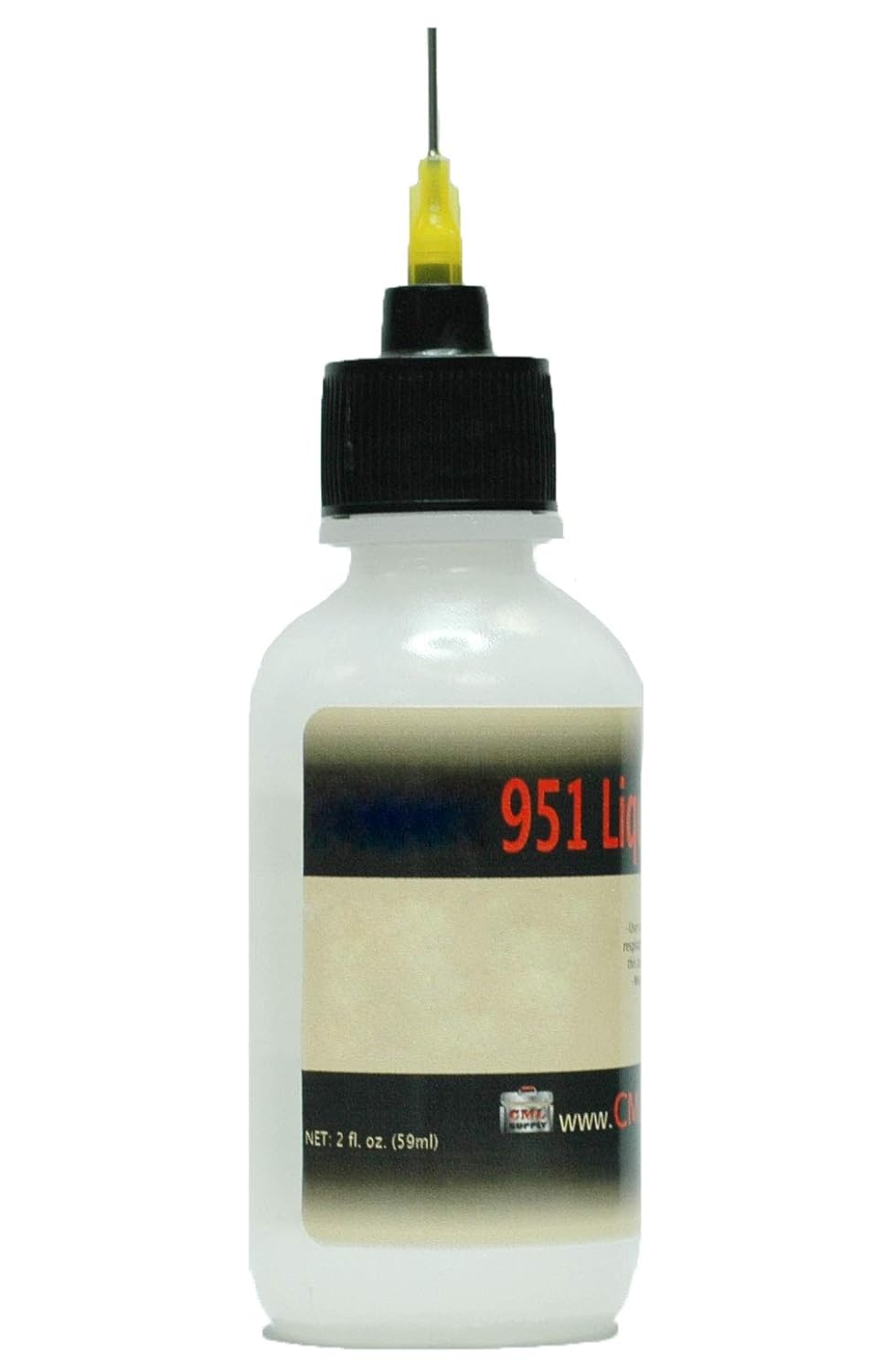
- Kester 951 no clean liquid flux: a low solids formula in a 2 ounce dispenser bottle, rated for leaded and lead free solder and described as RoHS compliant. Suits general repair and rework, though the bottle is small for high volume work.
- Hakko FR-301 desoldering tool: a 98 watt vacuum desoldering gun rated to 500 degrees Celsius, with multiple nozzles, a holder, and a case at about 3 pounds. Suits anyone removing through hole parts regularly, where fresh flux plus vacuum beats braid.
- Weller WE1010NA digital station: 70 watts, stability quoted at plus or minus 2 degrees Celsius, with standby and setback. A steady setpoint is what keeps flux inside its working window instead of burning it off.
- Noah silicone soldering mat: rated to 932 degrees Fahrenheit at 11.8 by 8.3 inches, with compartments, a non slip base, and it rinses clean with water. Practical when residue would otherwise end up on the desk.
If you are still choosing a heat source, the station versus iron comparison covers that decision, and the wider soldering stations category lists the units reviewed here.
Frequently asked questions
Is extra flux needed when the solder already has a core?
For fresh assembly, usually not. For rework, reflowing an existing joint, or desoldering, yes, because the original flux has already burned off and the surfaces have oxidised.
Is it safe to leave no clean residue on a board?
Generally yes for ordinary circuits, provided the flux was properly heated. Clean it anyway if the board will be conformal coated, carries very high impedance nodes, or needs clear visual inspection.
What cleans rosin residue?
Isopropyl alcohol at 90 percent or higher with a stiff brush, followed by a lint free wipe. Water soluble flux is the exception and needs a water wash instead.
Can plumbing flux be used on electronics in a pinch?
No. Acid core flux corrodes traces and leads over time, causing failures long after the repair looked successful. Once a repair is finished, a continuity check with a multimeter confirms the joint before reassembly.