


Description
Highlights of the Magnesium Circular Saw’s Design and Build Quality
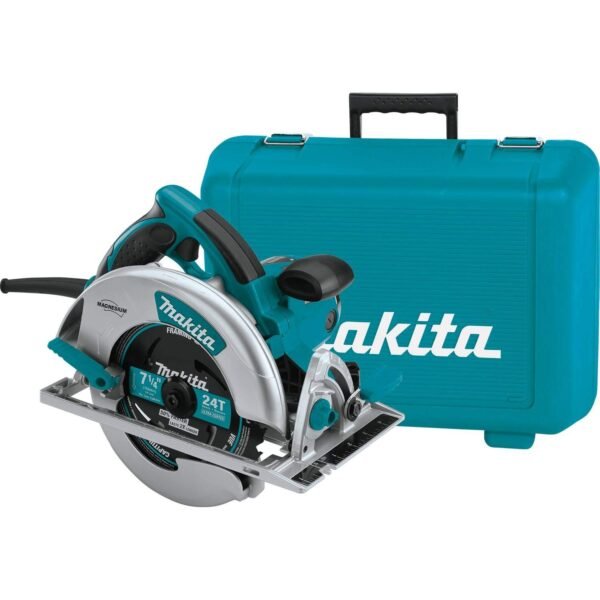
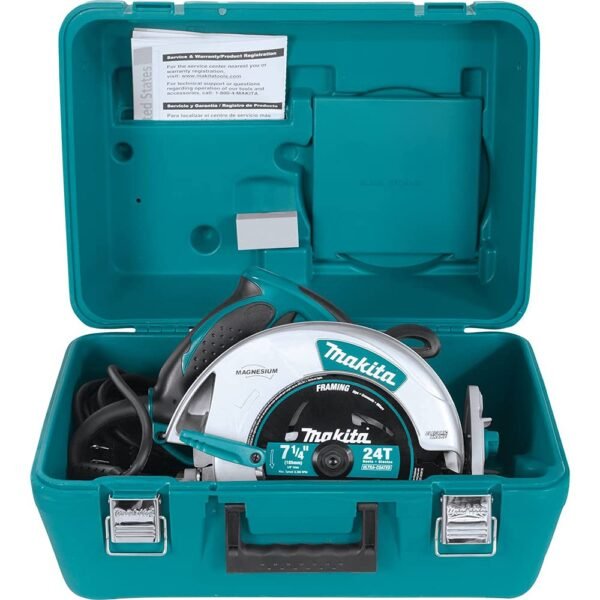
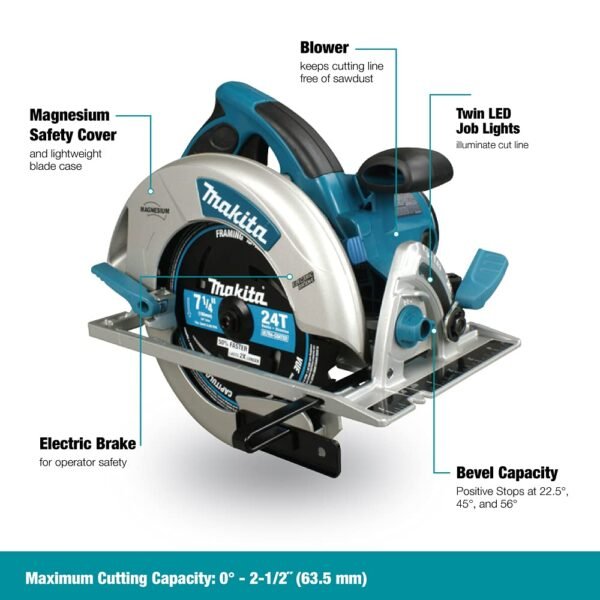
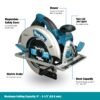
A close look at the Makita 5007MGA 7-1/4″ Magnesium Circular Saw quickly reveals how much thought went into its design. The magnesium components make it noticeably lighter than many saws in its class, tipping the scale at just 10.6 pounds. This not only reduces fatigue during extended use but also makes it impressively balanced. The rubberized handle grip fits comfortably in the hand, providing secure control, even when wearing gloves. Another detail that stands out is the wide clearance between the rear handle and blade case, which accommodates larger hands without cramping. The built-in dust blower actively clears sawdust from the cutting line, keeping the blade and markings in clear view. These elements combine for a tool that feels jobsite tough yet easy to maneuver.
Positive Features That Make a Difference
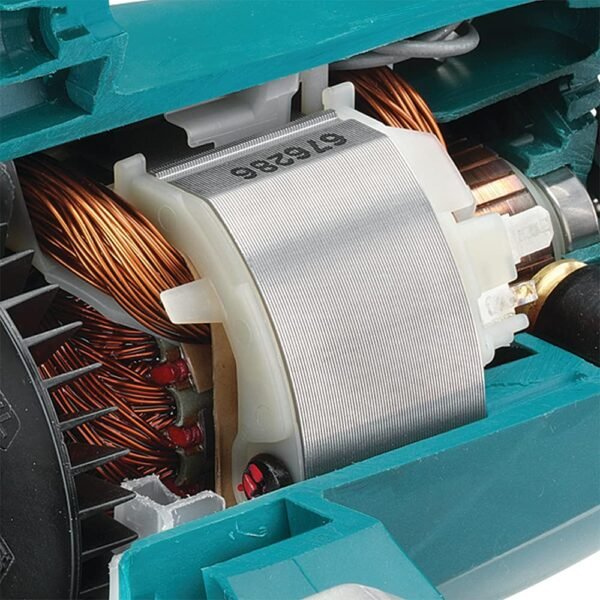
This circular saw packs serious muscle with its 15 AMP Makita-built motor delivering 5,800 RPM, powering through dense lumber like it’s nothing. The included 7-1/4 inch carbide-tipped framing blade with 24 teeth slices through wood smoothly and cleanly, maintaining sharpness even after cutting through some nail-embedded boards. The ultra-coated blade reduces heat and pitch buildup, which results in less blade drag and faster cuts. Two bright LED lights illuminate the cutting line, a feature that proves invaluable in dimly lit spaces. Adjustments are a breeze, thanks to large, rubberized levers that allow quick one-handed changes to depth and bevel settings. The saw’s bevel capacity up to 56° with positive stops at 22.5° and 45° makes angled cuts straightforward and accurate.
- Lightweight yet durable magnesium construction reduces fatigue
- Powerful 15 AMP motor handles tough materials effortlessly
- Built-in LED lights and dust blower enhance cutting accuracy
- Ergonomic grip and easy one-handed adjustments increase control
Areas of Concern Worth Considering
Every tool involves tradeoffs, and this one comes with a few quirks. The corded electric power source limits mobility on larger job sites without convenient power access, which means the workspace needs planning around outlet placement. The blade change mechanism, while aided by the attached wrench, isn’t as quick as the tool-free systems found on some competitors. Although the electric brake is a great safety feature that stops the blade promptly, it adds a bit of noise that stands out during quieter jobs. Moreover, the dust blower, while helpful, doesn’t eliminate every bit of sawdust around the cutting area, so some manual cleanup is still needed. Lastly, the price point feels a bit steep compared to other circular saws with similar specs, but more on that later.
- Corded design restricts movement on larger sites
- Blade changes aren’t as fast as some tool-free competitors
- Electric brake produces noticeable noise during activation
- Dust blower doesn’t remove all debris, requiring extra cleanup
Performance and Versatility on the Job
The rated capacities across various materials confirm this saw’s versatility. It cuts through dimensional lumber, plywood, OSB, and even dense engineered wood like LVL and I-joists without bogging down. The large cutting capacity of 2-1/2 inches at 90° and the maximum bevel angle of 56° cover complex framing tasks. The saw’s well-balanced design makes plunge cuts and bevel cuts feel natural, reducing wrist strain. The clear and oversized depth and bevel markings make setting precise cuts straightforward. The electric brake contributes to better workflow by minimizing downtime between cuts, although the noise it produces takes some getting used to.
Competitive Options in the Circular Saw Market
Comparing this saw to popular circular saws like the DeWalt DWE575SB and Bosch CS5, some clear differences emerge. The Makita’s magnesium build provides lighter weight without sacrificing durability, whereas DeWalt’s model feels heavier but includes a brushless motor that extends battery life in cordless versions. Bosch offers excellent ergonomics and a smooth blade change system, which the Makita lacks. However, the Makita edges out in cutting power and cutting capacity. Its built-in LED lights and dust blower are unique perks not always found in competitors. The corded nature of this saw offers consistent power, but cordless models shine in portability. If power and precision are your priorities, this Makita is tough to beat; if mobility and quick blade swaps matter more, other brands might suit better.
Price to Quality Ratio: Is It Worth the Investment?
Looking at the overall package, the saw’s robust 15 AMP motor, premium carbide blade, and magnesium construction justify a higher price point. It feels like a professional-grade tool built for heavy-duty use, not just a casual DIY option. While some might balk at spending more upfront, the saw’s durability and performance suggest it can pay off in fewer blade replacements and less operator fatigue. The inclusion of LED lights, electric brake, and dust blower adds value not always seen in similarly priced saws. If you need a tool that combines power with fine control and jobsite durability, the investment feels reasonable. On the other hand, budget-conscious users might find comparable performance from lower-cost models with fewer bells and whistles.
Handling and Ergonomics: Comfort Meets Control
The ergonomics of this saw stand out most during long cuts and repetitive tasks. The rubberized grip reduces hand strain and provides a secure hold, even when hands are sweaty or gloved. The large levers for depth and bevel adjustments are conveniently placed and easy to operate without breaking your grip. The twin LED lights illuminate the work area better than expected, especially in shadowed corners or early morning starts. The dust blower clears sawdust directly from the cutting path, which combined with the clear measurement markings on the saw base, makes accurate cuts more achievable. Despite the saw’s power, its balanced design makes handling feel nimble rather than cumbersome.
Maintenance and Durability Over Time
The saw’s magnesium components are built to resist typical jobsite wear and tear. The reinforced power cord also stands up well to rough handling, unlike some cheaper saws that fray easily. Changing the blade requires some effort, but having the wrench attached to the saw helps avoid misplacing it. The ultra-coated blade sustains its sharpness nicely, cutting faster and lasting longer than standard blades. Regular cleaning of the dust blower and blade housing keeps the saw performing optimally. Overall, it’s built with longevity in mind, and it should hold up well over many projects if cared for properly.